skip to main |
skip to sidebar
A few months ago the Traverse Theatre in Edinburgh launched a writing competition as part of its plans for celebrating 50 long years of producing bad-ass plays in that fair city. I have a long-standing love of theatre, and, coupled with one of my other long-held loves - writing - you probably wouldn't be too surprised to learn that I've got a dozen or so finished or nearly finished pieces of writing for the theatre kicking about in the darker regions of my filing cabinet.
I have always, always wanted to write something for the theatre (lots of somethings, really) and have come pretty close on a couple of occasions. But then, the timings never worked out or all the funding fell through at the last minute and so those scripts sit around while other projects take precedence.
When I saw the Traverse Fifty announcement, I thought it would be a great opportunity, should I wind up amongst the selected fifty, to not only produce a piece of writing for the theatre, but to learn as much as I could about theatrical writing over the course of the year-long attachment. The Traverse have concocted one of the most generous and genuinely exciting anniversary projects I've ever come across: 50 winning writers selected from among competition entries will all be attached to the theatre for the entire year, with a small number of writers from this larger pool given the opportunity to create full-length pieces for production the following year. In January, each of the 50 chosen writers will have their winning entries performed as read-throughs at the Traverse. Brilliant, right? The other thing that I enjoyed about the submission process was that each play could be no more than 500 words. A play in 500 words? What fun!
So I wrote a little something, tenuously related to the theme of "a play for Edinburgh", and sent it off to the wizards at the Traverse. I got an email last night (incidentally, while I working my first service in the kitchen of House of Wolf for Blanch & Shock) from the Traverse saying that, while I made it to the later stages of the selection and "demonstrated real craft and a compelling theatrical voice", I didn't make the cut.
Of course, I'm bummed to have missed out on such a wonderful opportunity and a chance to finally do some writing for the stage, but I was so busy during service last night that I literally didn't have the chance to feel even a twinge of disappointment. Also, the Traverse ran the competition so professionally that it's impossible to feel let down or cheesed off. For all people running competitions out there, a bit of courtesy, punctuality and kindness really does go a long way.
I don't usually put any kind of creative writing out in the public sphere because, well, I don't know why, really, but I thought I'd post my 500 word play about Edinburgh for the Traverse here because if I ever want to get a piece of writing for the theatre produced, I suppose it'll help if people know I want to do it...
Anyway, here's my 500 word play for Edinburgh. There are numbers at each line instead of character names as each of the 50 lines is intended to be read by a different actor.
London --> Edinburgh
1. I don't have to get out of bed to see the sky in the morning.
2. Lying back, my head on the pillows, I can see London’s umbrella.
3. It’s usually grey. But not today.
4. Today, it’s just beautiful. So blue.
5. An unreal blue; a blue only seen in cities.
6. Or maybe, a blue like people who live in cities can only dream of.
7. There're lots of things that people who live in cities can only dream of.
8. Last week, I went to a talk about cities at the London School of Economics.
9. By 2050, the professor said, of 9 billion people on the planet,
10. The majority will live in cities. I can't get my head around this.
11. The thing no one ever tells you about cities
12. Is that nothing much happens when you live in one.
13. It only looks like things happen in cities, but
14. Most days I wake up, look at the sky,
15. Go to work, go to the shop, make dinner, go to bed.
16. “Metro-boulot-dodo”, as the French say.
17. Some days I'll watch a cooking programme on TV,
18. Or catch an art exhibition in town.
19. When you’ve lived in a city like London for a while,
20. You become part of this weird hive mind.
21. Things start to drive you crazy that never did before.
22. Like, tourists walking too slowly on the tube.
23. I kick the back of their shoes to get them moving.
24. Why does it make me so angry?
25. On the flip side, when people are screaming at each other
26. Outside my windows - shouting like they're gonna kill each other
27. I don't do anything other than press my face to the glass
28. And look and listen and shake my head and go back to the TV.
29. Because that's what cities are like. The people who do nice things,
30. They're not locals. They don't understand the code of anonymity that brings us here.
31. They say people come to cities for opportunities, but where else would we go?
32. The internet means we're all born in cities now.
33. What would my parents say if, after all that, I told them
34. I want to go live in a little house outside of Edinburgh.
35. To get away from these people, with their crazy ambitions,
36. Their desires to be famous no matter what cost.
37. These days, people don't even care what they're famous for.
38. Used to be they wanted to write literary masterpieces,
39. Symphonies so glorious people wept in dimmed auditoriums.
40. Now, people just want to be on telly.
41. Talking about other people on telly.
42. That's why I'll leave London for Scotland.
43. Today, from my window, I watched two men smash up
44. A perfectly serviceable brick wall and put it together again.
45. Why did they chip away at the old brick?
46. Only to make new cement and pile up new bricks?
47. I'm still trying to figure out the answers to my questions.
48. This is what happens when you live in a city like London.
49. There are always questions.
50. And never any answers.
Ah, Hong Kong. What a strange and mysterious place. Like the city of the future 50 years ago that's already lived through the future and is now a bit saggy and patchy. There's clearly money everywhere, but wandering around the shopping haven that is Central I kept wondering about who actually buys this stuff? Who lives here? Who, indeed, can afford to live here?
I ate wonton soup, Michelin-starred restaurant lunches, street-food buns filled with red bean paste and cream, Hong-Kong style comfort food (which, incidentally, is absolutely delicious). I had cocktails in bars with incredible views of the famous, and deservedly so, skyline. I walked everywhere, got lost a lot. Discovered the only remaining shop in the city dedicated to Chinese scroll painting and bought ink sticks and brushes to practice my calligraphy. I went to the outskirts of the city to check out Hackney-Wick style (though commercial) art galleries, and then had a meeting with the director and curator of soon-to-be the biggest museum of visual culture in the region: M+.
In some ways, there's not really a lot going on in Hong Kong apart from the usual métro-boulot-dodo, which seems strange since the soft-power of cultural consumption is what's so often sold as the psychological carrot for urban dwellers. If there aren't theatres and cinemas and art museums, no one will live happily in the squashed conditions necessitated by urban density, but I suppose in Hong Kong, that's what the high-end shopping and eating establishements are for. Who cares about Turandot when you've got Otto e Mezzo? Personally, I need both, which is why I'm in London and not Hong Kong, but the city certainly makes for a fascinating visit and I'm looking forward to going back to see how M+ develops.


I was cleaning a load of old photos and documents off my phone the other day, when I came across a few videos I'd obviously taken on my phone and completely forgotten about.
In chronological order:
1. The light parade which launched last year's Lumiere Festival in Durham, which was AWESOME!
2. Some wicked tunes by an insanely crazy bone people orchestra thing in the most brilliant Swedish building that's a sort of rip off of Rome's Pantheon, during the Stockholm Furniture Fair.
3. Josh from Blanch & Shock swearing profusely while trying to flip out a bacon mousé from a teddy-bear shaped mould, during a photoshoot for the Pilot Issue of Pages Of Magazine.
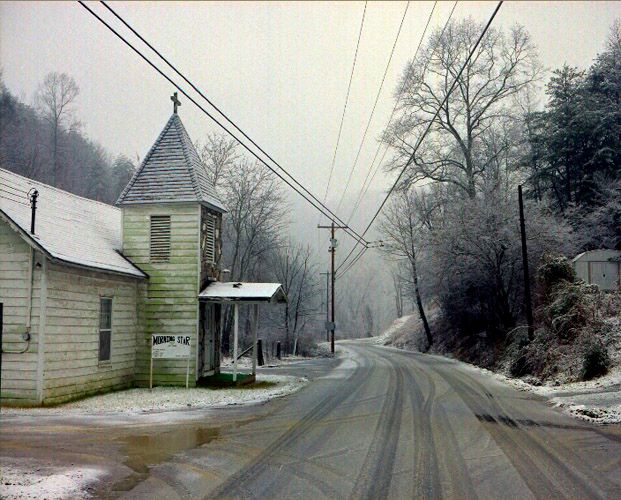 I've only been to Tennessee once and it hardly counts as a visit since it was little more than a look out the window of Memphis airport on a layover between a Phoenix to London flight. I don't remember anything about the view other than that the landscape was flat as a pancake. The only other thing I have to go on when it comes to Tennessee was a pre-teen best friend who was obsessed with the movie The Thing Called Love. "Look out Music City," the heroine shouts off the top of a building when she finally arrives in Nashville, "cause here I am and I ain't never leaving." Needless to say, the two of us never made it to Tennessee and our dreams of country-music stardom came to naught. But that's probably for the best.
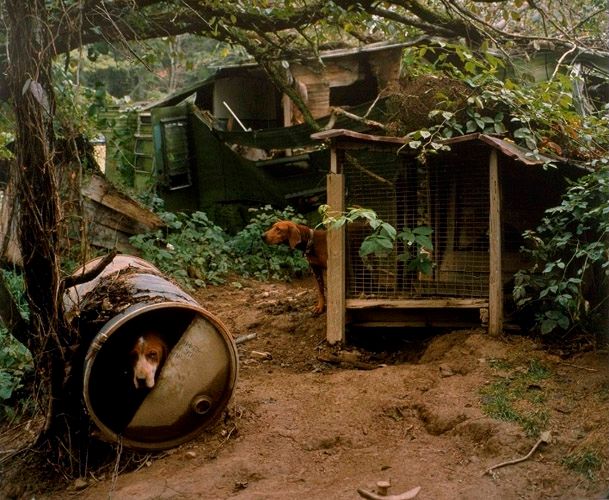
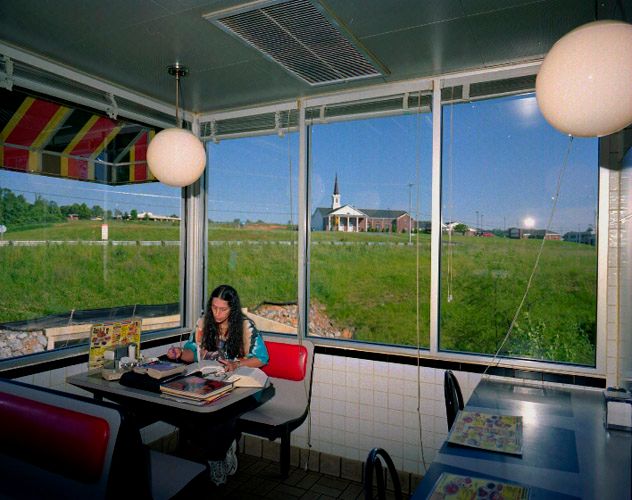
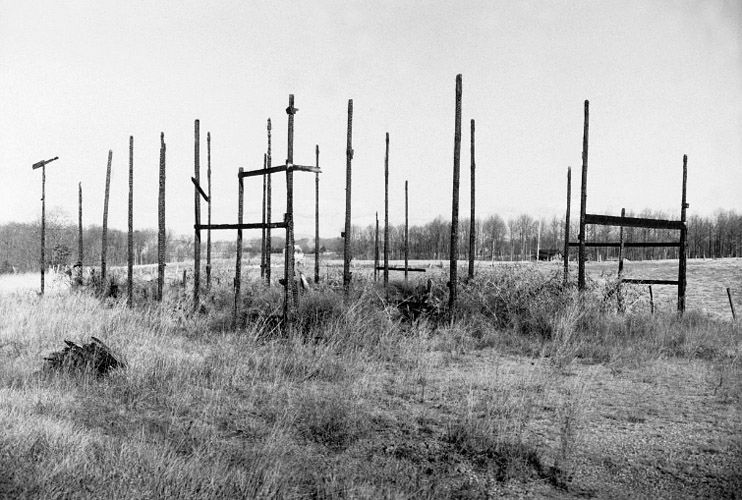
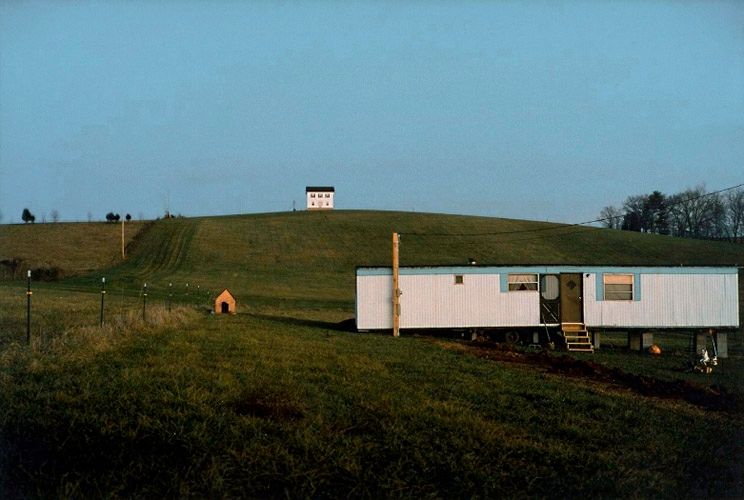
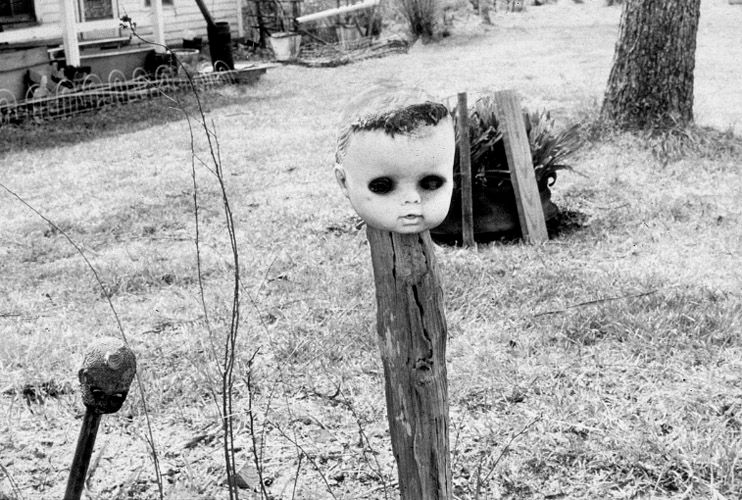
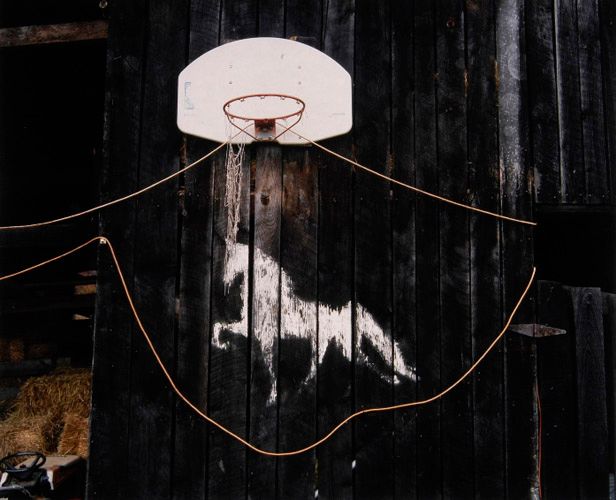
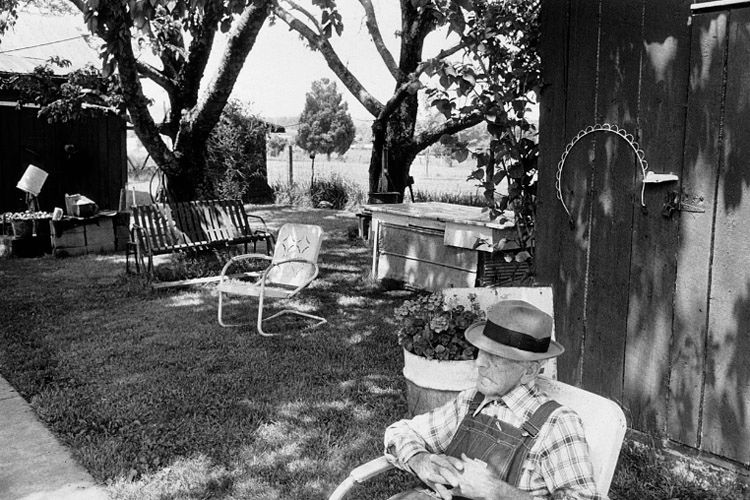
During a San Diegan visit to my paterfamilias in 2006, one afternoon I dropped by the amusingly-named Museum of Photographic Arts where an exhibition of photographs by Mike Smith were on display. I don't know what suddenly brought Smith's photos back to mind, but I loved the images then and I still love them now.
Here, the classic visual trope of an outsider looking in, framing the oddness of an odd place with the surprising sensitivity of a very good storyteller. Smith moved to Tennessee via New Haven and Boston in 1981 to take up a professorship at East Tennessee University and spent his time travelling around the region, documenting the strange transformation of rural Tennessee as suburban tendencies took root.
The book - You're Not From Around Here - was published in 2004 and then toured various locations as the exhibition I saw in San Diego. I stupidly didn't buy it at the time and now wish, of course, that I did. Luckily, it's my birthday in a few weeks and if no one buys the book for me, well then I'll just have to get it for myself.
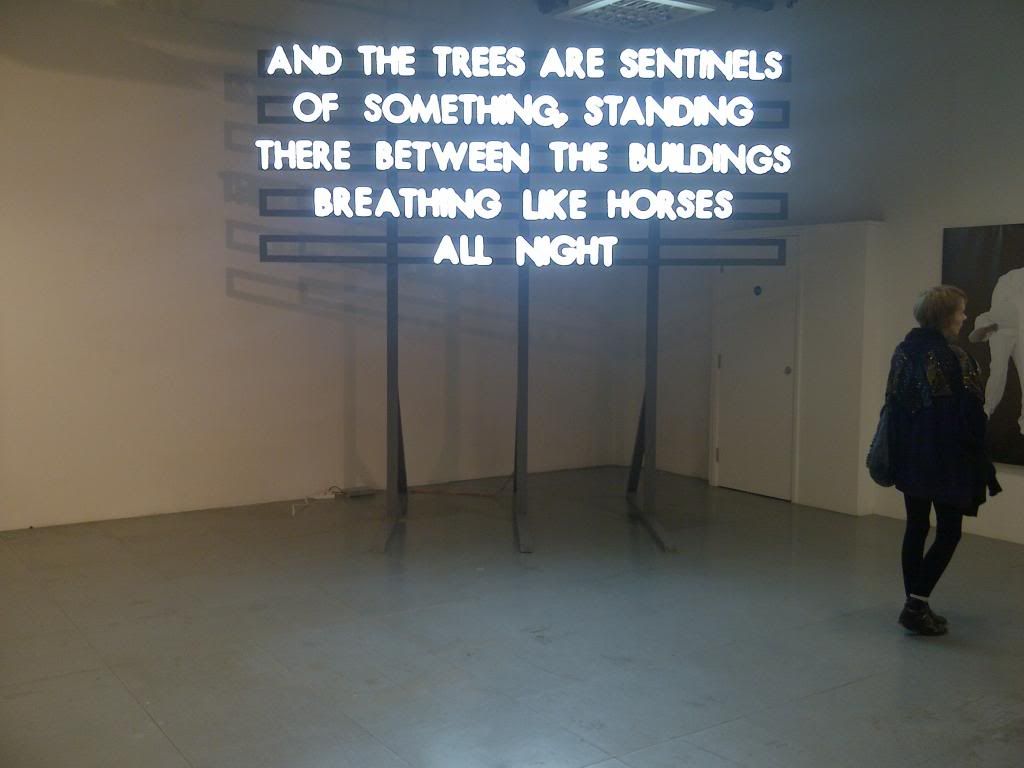 I'm not entirely certain how it happened that I came to miss the news of Josephine Hart's death last year. I suppose this is what happens when you only read the FT and the IHT. Where else are such deaths reported but in the obit pages of the broadsheets? What a strange, long-lasting tradition; the obit pages. I wish the British Library would have posted a notice on their events page - where I regularly go to find out when the next Poetry Hour will take place and always come away wondering why the Josephine Hart Poetry Hour never appears anymore. Almost certainly, someone, somewhere would lambast such a notice as callous and disrespectful, but for my part, I still find it difficult to understand why our culture deals with death - even difficult deaths - as a quiet thing to be hidden away. Or as a thing to be boxed off in the pages of broadsheets no one reads anymore.
I miss the Poetry Hour. For my money, it was consistently one of the finest cultural events in London. There is such power in beautiful, insightful poetry read aloud, particularly when it is read by highly-skilled actors. I'm a huge supporter of the next generation of poets and poetry publishers and I certainly think Britain has a rich and vibrant contemporary poetry scene it can be proud of. Many of these younger poets are as skillful performers as they are writers, though the scene's interest in supporting the new and the next (no bad thing in a discipline still understood by most of the rest of the population as Shakespeare's sonnets), means that there are very few opportunities (outside of academia, at least) to re-examine the beauty and skill of previous generations of poets in a public setting.
The format for PH was simple but effective: Hart always introduced the poet-subject with brief contextual background - in her wonderfuly thick voice - before the actors took turns reading various poems from the chosen poet's oeuvre. I can't remember all of the evenings I attended, but the two that stand out were Damian Lewis and his wife Helen McCrory reading Auden, and Charles Dance and Dominic West reading Larkin. I also heard on Radio 4, before I ever went to PH, Robert Hardy and Greg Wise reading Robert Browning's dramatic monologues, which still stands out as one of the best things I've ever listened to on BBC Radio.
I've written elsewhere about the Larkin and the Auden evenings, about how both events made me entirely re-evaluate my views on both poets and their respective works. I can't fully express how wonderful, in particular the Larkin, evenings were - the pleasure of being made to realise and reflect upon how poems are song and how song is so intimately bound up with human culture and human expression. That these are words which are meant to be read, meant to be listened to and how wonderful, almost essential, it is to listen to them together with other people. And because Hart so often selected experienced stage actors, people whose professional success depends upon their ability to make words meaningful, the old poems came alive in ways in which they so rarely do on the page.
So now that I finally know why the Josephine Hart Poetry Hour never appears on the British Library events page, I wonder whether the time might not be ripe for an adaption and extension of the theme? Perhaps a new poetry hour that teams the next-generation of future-classic poets with their soon-to-be-superstar-stage-actor counterparts? Tempting.
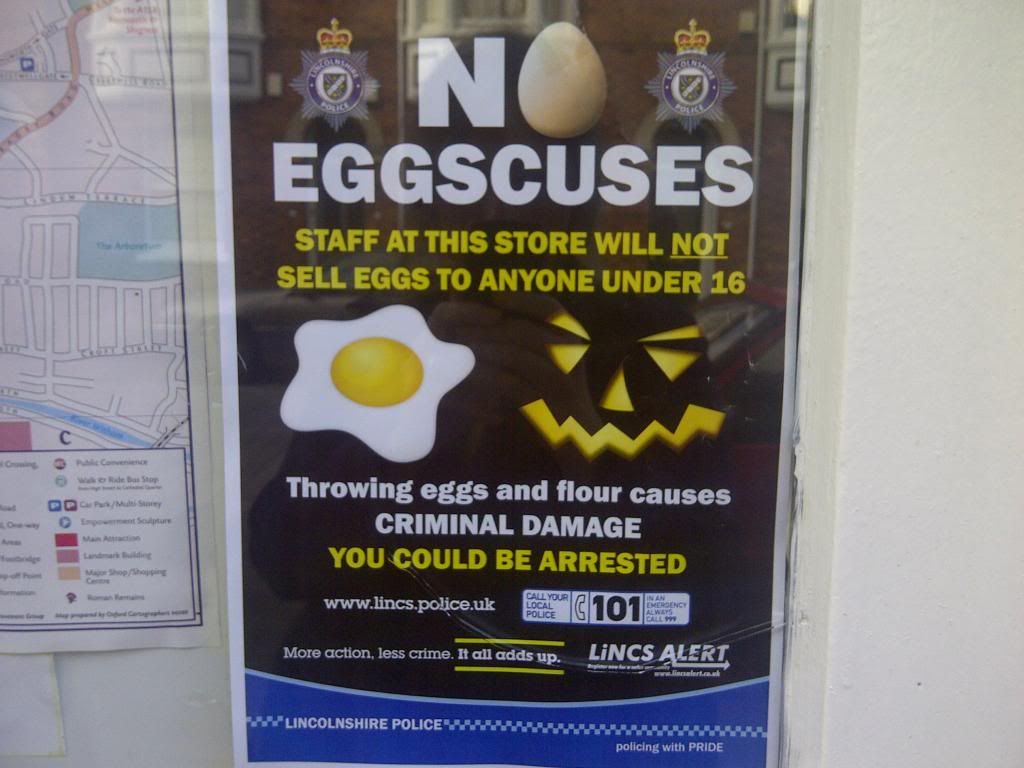 We've been spending most of our weekends outside of London in the last few months, which has been rather lovely, particularly since many of these weekends have involved trips to various parts of England which I've never visited before. While I do love travelling to strange and distant lands, there's something very pleasant about hopping on the train on Friday evening and arriving somewhere a few hours later - and with such little fuss! - only to wake the next morning surrounded by great natural beauty. It's all too easy to forget, especially living in London, that England is full of so many beautiful and fascinating places.
This past weekend we headed up to Lincolnshire to investigate Compass, new contemporary art commissions at Woolsthorpe Manor, Grimsthorpe Castle and Ayscoughfee Hall produced by arts-organisation Beacon. Beacon had organised a bus to take us, and a large group of other art enthusiasts, from Lincoln around to each of the various sites and works. We had a grand old time and covered a lot of Lincolnshire ground to boot. We spent a wonderful evening with the directors of Beacon - John and Nicola - who left London 13 years ago to buy up and convert an old Methodist church in a little village outside of Lincoln and some of their friends, who also left London (some five years ago) to buy up and convert an old Methodist church in a different little village outside of Lincoln. Apparently there are a lot of unloved Methodist churches to be had in Lincolnshire.
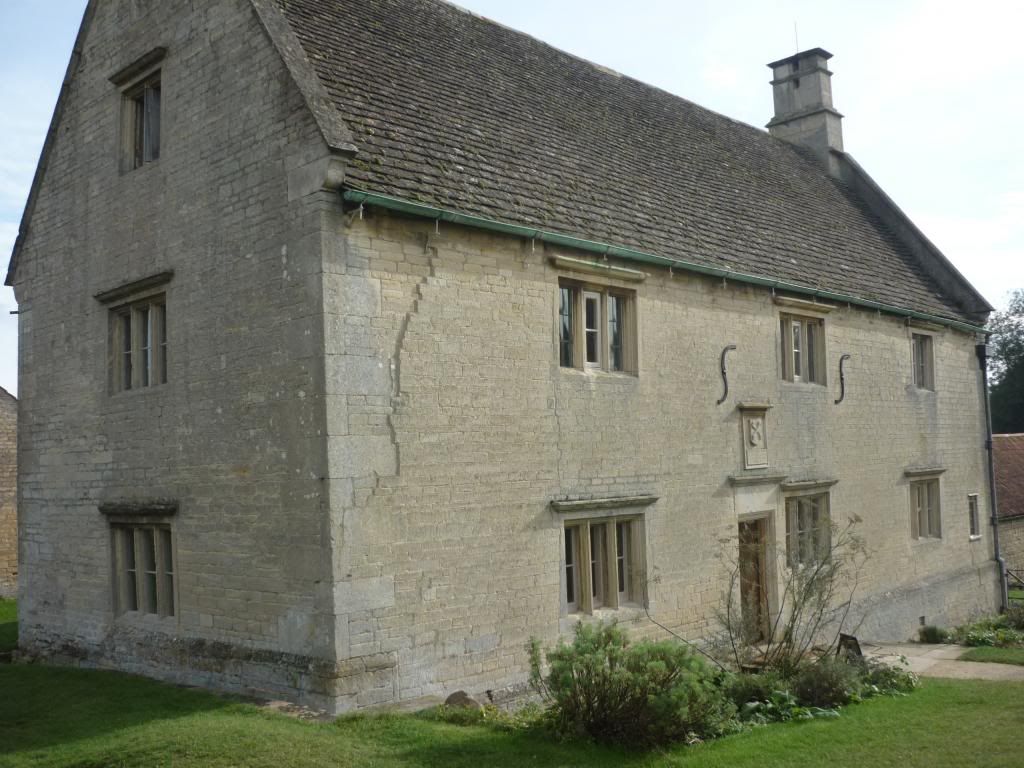
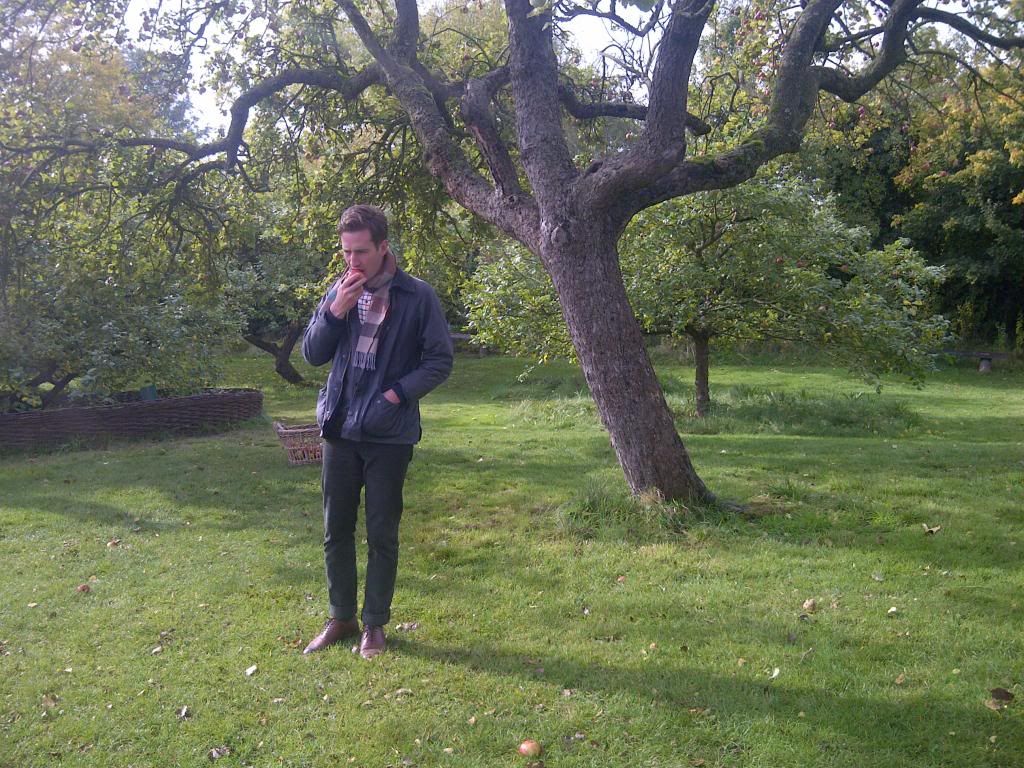
Even though I'd seen pictures of Newton's house many times before, I somehow didn't quite make the connection in my head between hearing the name Woolsthorpe Manor and Newton's home until we were walking into the grounds of the house. It seems silly to be so excited simply by virtue of being in the same house where Newton was born and then came back to work during the plague years of 1666-7, but the history of a place like that makes me feel absolutely electric. We even ate an apple off a tree in the garden, though why they have one particular apple tree fenced off, as if it were irrefutably the apple tree from which Newton's apple of gravity fell, I have no idea. History as tourist attraction.
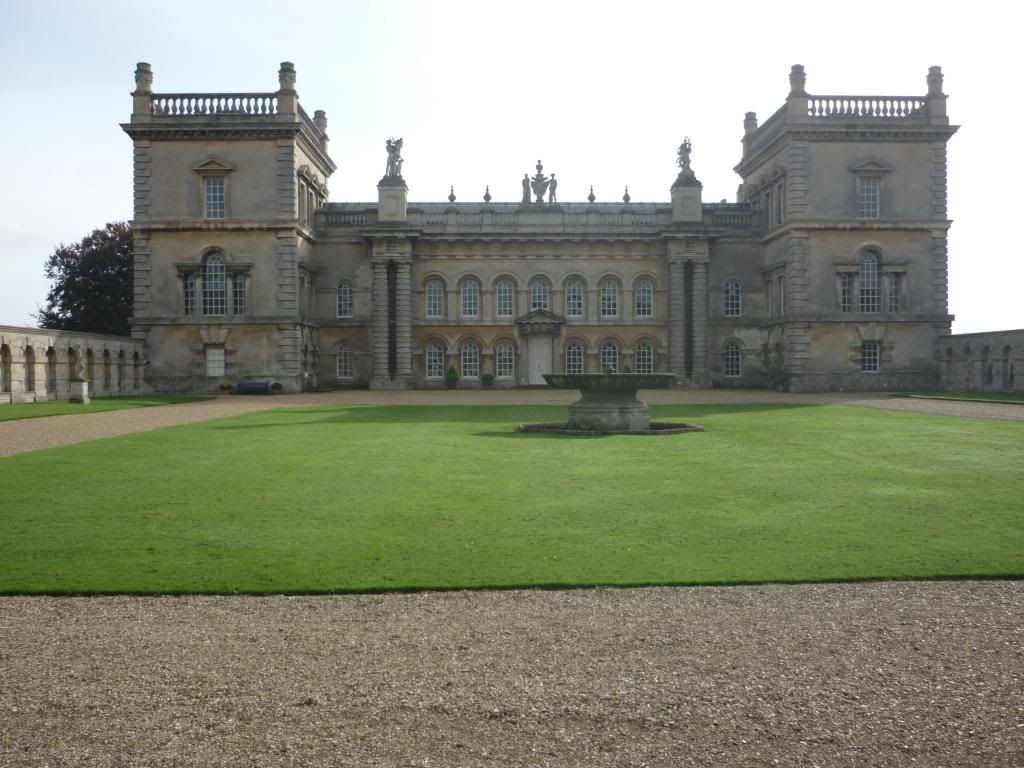
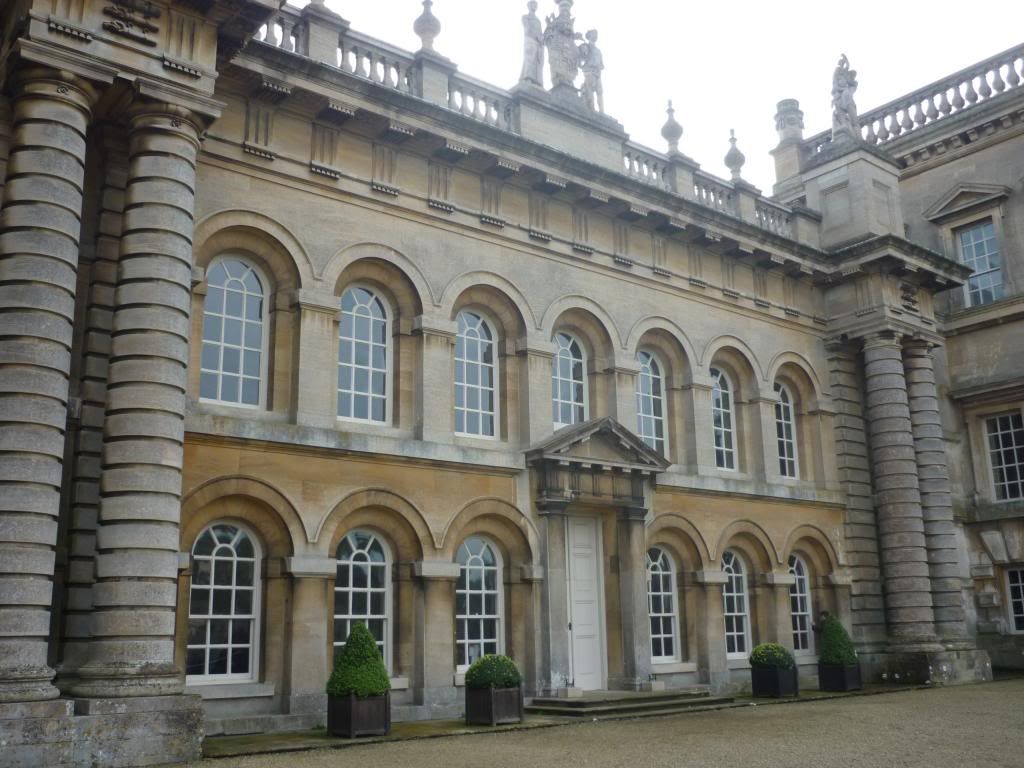
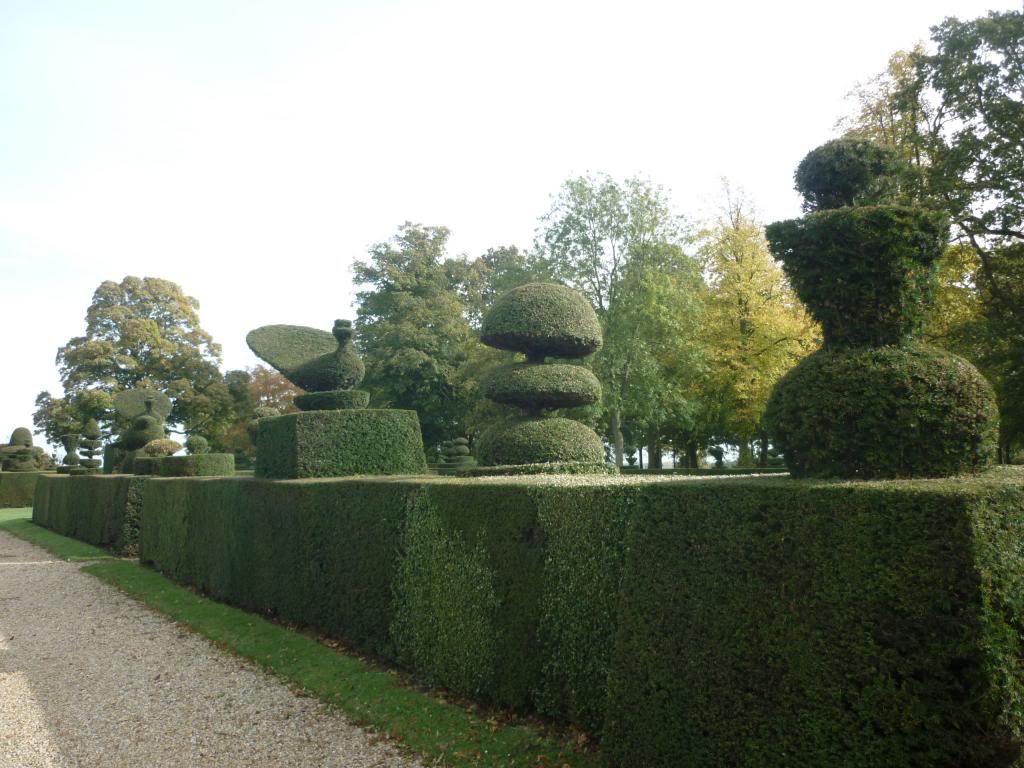
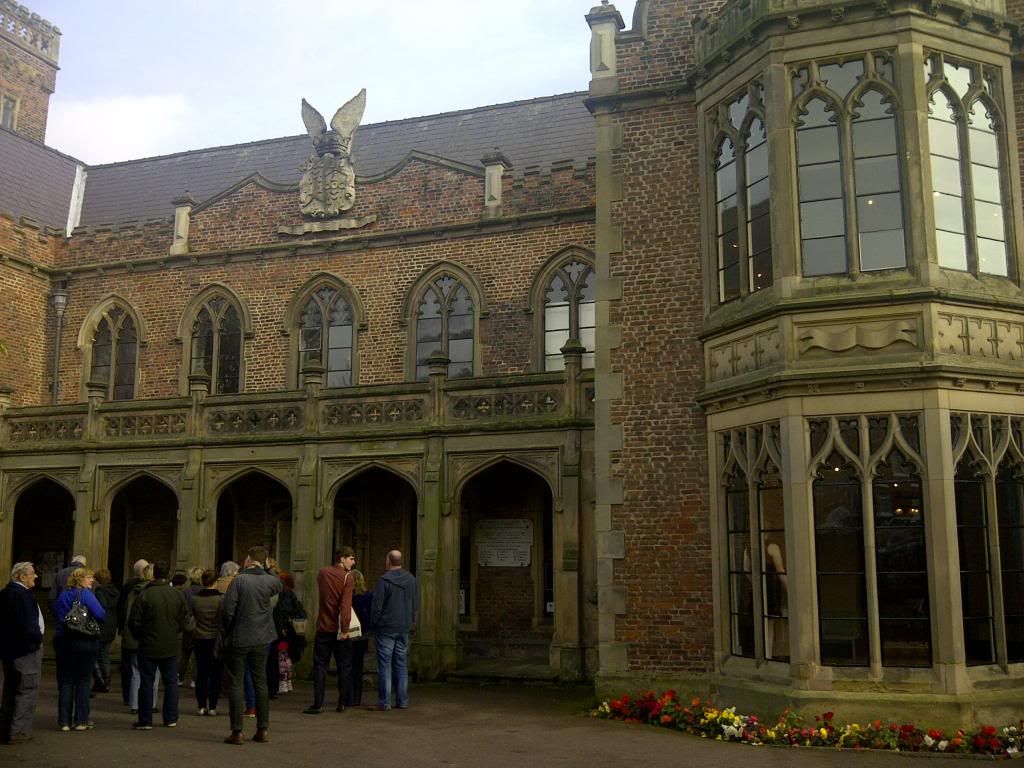
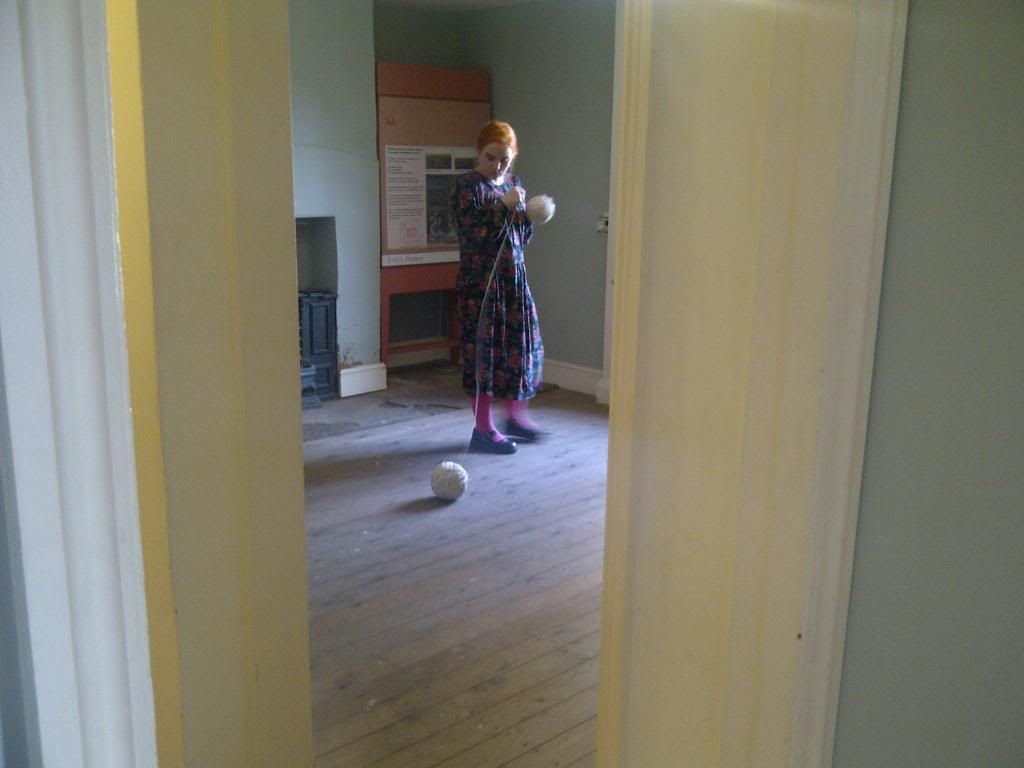
We went also to visit the John Vanbrugh-designed Grimsthorpe Castle, (Vanbrugh was commissioned in 1715, though there has been a house on the site since 1516) though we we unable to go inside, the exterior of the house and its gardens were lovely enough to keep our eyes entertained for the 30 minutes or so we were there. Finally, our tour took us to Spalding and the utterly bizarre Ayscoughfee Hall. The original building dates to 1451 and, in terms of the building's central structure, remains much unchanged. In terms of decoration, the building has changed superficially as much as one might expect in a building more than 560 years old. There's a Gothic-looking Victorian front facade and, excepting the dark, Victorian library, most of the interior rooms resemble a series of enormous Georgain fondant fancies. Heritage Lottery funded a three-year "sympathetic restoration" project which completed in 2006, but I haven't been able to find out much about what the building looked like pre-restoration on the internet. A conservator's report, which indicates that the restoration was carried out under the aim of bringing the building back to how it might have looked when the Johnson family lived in it at the end of the seventeenth century, reminded me of Robert Pollidori's photographs of Versailles. History by its nature is not fixed, but restoration demands history stand still at a precise point of reference - it's like putting a blue plaque on a building and denying the memory of all others who lived there. How would one go about restoring a house or a building so that each of it's previous histories, previous lives, live together in harmony? I have not the slightest idea how one would begin or even what the end result might look like, but I do know that it wouldn't look like Ayscoughfee Hall.



 Posts
Posts

